


Insights and Expertise: Blogs & Webinars by Macmillan Learning
Explore the latest academic trends, research and tips with these insightful blogs and webinars

10 Ways to Reclaim Student Attention Without Declaring War on Phones
Ten educators share practical classroom strategies for managing phone distractions, low attention spans, and student engagement.
October 2026

Beyond AI Detection: Why Critical Thinking Is Higher Ed's Real Challenge
In conversations with instructors at our recent TechEd 2026 event, one question kept coming up: can students still think critically when an answer is always readily available?
September 2026

How to Build Student Trust Early: 10 First-Week Teaching Strategies
Eleven college educators share 10 first-week teaching strategies for building student trust through presence, names, support, and course design.
September 2026

AI in the Classroom: 11 Realities Instructors Are Facing
AI is changing how students work, write, and learn. Here are 11 practical realities instructors are facing now, and what those shifts mean for teaching, assessment, and classroom design.
June 2026

Beyond AI Detection: Securing Digital Assessments with Achieve and Respondus
Stop playing data detective and chasing unreliable AI text detectors in your large-enrollment courses. Discover how Macmillan Learning’s Achieve platform pairs with Respondus LockDown Browser to secure your digital assessments structurally from day one.
June 2026

The Socratic Shift: Why Achieve’s Guided AI Tutor Restores Academic Integrity
Achieve’s Socratic AI Tutor protects academic integrity by guiding students through homework bottlenecks with targeted hints instead of direct answers.
June 2026

Designing AI-Aware Workflows: How Achieve Makes Student Thinking Visible
Discover how Achieve combats AI shortcuts by shifting to process-led learning, making critical thinking visible while removing the panic triggers that lead to cheating.
June 2026

How Belonging Shows up Throughout the Semester
Belonging shapes student engagement and performance across the semester, with research showing that consistent connection, especially midterm, can significantly improve outcomes.
May 2026
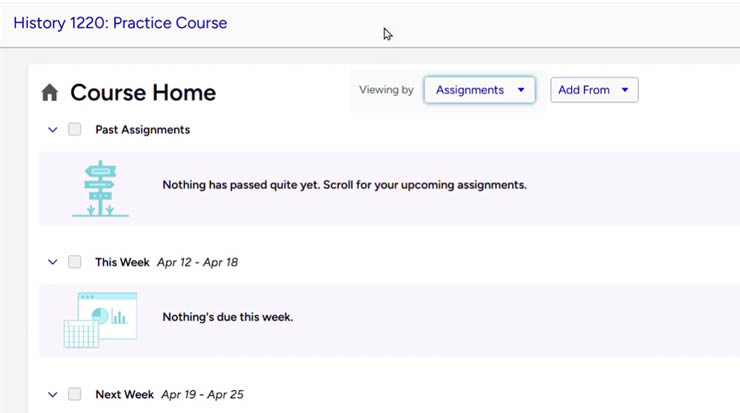
How to Use Short-Form Writing Assignments in Achieve to Boost Student Engagement
Learn how to use the Short-Form Writing tool in Achieve to integrate low-stakes assignments that boost student engagement and assess understanding in small chunks.
May 2026
