


Page 105 - 2024-bfw-MyersAP4e-TE
P. 105
Module 1.5b

                 your heart rate, which increases your alertness [Moorcroft, 2003].) When you are ready   Waking beta waves
                 for bed, a researcher comes in and tapes electrodes to your scalp (to detect your brain
                 waves), on your chin (to detect muscle tension), and just outside the corners of your   CONNECT 1.5-5
                 eyes (to detect eye movements) (Figure 1.5-4). Other devices may record your heart rate,   Waking alpha waves
                 respiration rate, and genital arousal.                                              Tell students that the electroenceph-
                                                                                                     alogram (EEG), which is discussed
                                                  Left eye movements                                 in Module 1.4a, is the device used
                                                                       Stage 1                       to measure sleep waves. This device
                                                  Right eye movements
                                                                                                     captures the electrical activity given
                                                                                                     off by the neurons as they fire action
                                                  EMG (muscle tension)
                                                                       Stage 2
                                                                                                     potentials. The speed with which the
                                                                                                     action potentials (see Module 1.3a)
                                                  EEG (brain waves)
                      Hank Morgan/Science Source                       Stage 3 (delta waves)         occur creates the brain wave patterns
                                                                                                     seen during wakefulness and sleep.
                                                                                                     TEACH 1.5-5


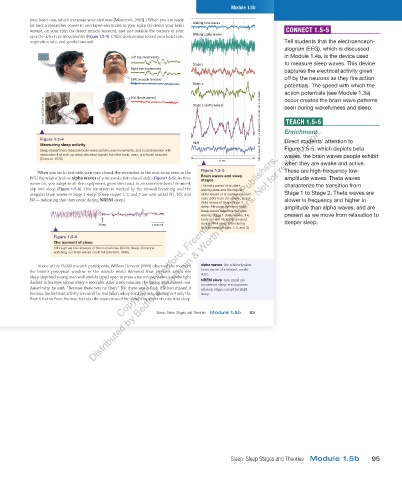
                     Figure 1.5-4                                                            Rebecca Spencer, University of Massachusetts, assisted with this illustration.  Enrichment
                                                                                                     Direct students’ attention to
                     Measuring sleep activity                          REM
                     Sleep researchers measure brain-wave activity, eye movements, and muscle tension with   Figure 1.5-5, which depicts beta
                     electrodes that pick up weak electrical signals from the brain, eyes, and facial muscles   waves, the brain waves people exhibit
                     (Dement, 1978).
                                                                               6 sec
                                                                                                     when they are awake and active.
                                                                         Figure 1.5-5                These are high-frequency low-
                    When you are in bed with your eyes closed, the researcher in the next room sees on the
                 EEG the relatively slow alpha waves of your awake but relaxed state (Figure 1.5-5). As time   Brain waves and sleep   amplitude waves. Theta waves
                                                                         stages
                 wears on, you adapt to all this equipment, grow tired and, in an unremembered moment,   The beta waves of an alert,   characterize the transition from
                 slip into sleep (Figure 1.5-6). This transition is marked by the slowed breathing and the   waking state and the regular
                 irregular brain waves of Stage 1 sleep. (Sleep stages 1, 2, and 3 are now called N1, N2, and   alpha waves of an awake, relaxed   Stage 1 to Stage 2. Theta waves are
                 N3 — indicating that they occur during NREM sleep.)     state differ from the slower, larger   slower in frequency and higher in
                                                                         delta waves of deep Stage 3
                                                                         sleep. Although the rapid REM   amplitude than alpha waves, and are
                                                                         sleep waves resemble the near-
                                                                         waking Stage 1 sleep waves, the   present as we move from relaxation to
                                                                         body is more internally aroused   deeper sleep.
                                        Sleep            1 second        during REM sleep than during
                                                                         NREM sleep (Stages 1, 2, and 3).
                         Figure 1.5-6          Copyright © Bedford, Freeman & Worth Publishers.
                         The moment of sleep Distributed by Bedford, Freeman & Worth Publishers. Not for redistribution.
                         Although we are unaware of the moment we fall into sleep, someone
                         watching our brain waves could tell (Dement, 1999).
                    In one of his 15,000 research participants, William Dement (1999) observed the moment   alpha waves  the relatively slow
                 the brain’s perceptual window to the outside world slammed shut. Dement asked this   brain waves of a relaxed, awake
                                                                         state.
                 sleep-deprived young man with eyelids taped open to press a button every time a strobe light
                 flashed in his eyes (about every 6 seconds). After a few minutes, the young man missed one.   NREM sleep  non-rapid eye
                                                                         movement sleep; encompasses
                 Asked why, he said, “Because there was no flash.” But there was a flash. He had missed it   all sleep stages except for REM
                 because (as his brain activity revealed) he had fallen asleep for 2 seconds, missing not only the   sleep.
                 flash 6 inches from his nose but also the awareness of the abrupt moment of entry into sleep.
                                                           Sleep: Sleep Stages and Theories  Module 1.5b   95


         03_myersAPpsychology4e_28116_ch01_002_163.indd   95                              15/12/23   9:24 AM


                                                                                   Sleep: Sleep Stages and Theories Module 1.5b   95


          03_HammerTE4e_47547_ch01_2a_163_4pp.indd   95                                                                         07/02/24   5:24 PM

