


- Content Hub
- Discipline
Discipline
back- Anatomy & Physiology Astronomy Biochemistry Biology Business Chemistry College Success Communication Economics Electrical Engineering English Environmental Science Geography Geology History Mathematics Music & Theater Nutrition and Health Philosophy & Religion Physics Psychology Sociology Statistics
- Digital
- Solutions
- News & Media
- Our Story
- Contact Us

The Developing Person Through the Life Span
Thirteenth Edition ©2026 Kathleen Stassen Berger; Kendra Thomas Formats: Achieve, Read & Practice, E-book, Print
As low as $59.99
As low as $59.99
- Product Overview
- Content Material
- Assessment
- Reports and Insights
- Teaching Resources
- Support and Services

Authors
-

Kathleen Berger
Kathleen Stassen Berger transferred from Stanford University to Radcliffe, earning a B.A. and M.A.T. from Harvard University, and then an M.S. and Ph.D. from Yeshiva University, all while teaching adolescents. Her broad experience as a learner and educator includes directing a preschool, chairing philosophy at the United Nations International School, and teaching human development to graduate students at Fordham University, undergraduates at Montclair State University, aspiring professionals at Quinnipiac University in Connecticut, and incarcerated individuals at Sing Sing Prison. For most of her professional career, Berger has been a professor at Bronx Community College of the City University of New York.
Berger is also the author of Invitation to the Life Span, The Developing Person Through Childhood and Adolescence, and A Topical Approach to the Developing Person Through the Life Span, as well as Grandmothering: Building Strong Ties with Every Generation. Berger’s research interests include adolescent identity, immigration, bullying, and grandparents, and she has published articles in the Wiley Encyclopedia of Psychology, Developmental Review , and Human Development, and in publications of the American Association for Higher Education and the National Education Association for Higher Education. She continues teaching and learning, not only from students and friends but also from four daughters and three grandsons.

-
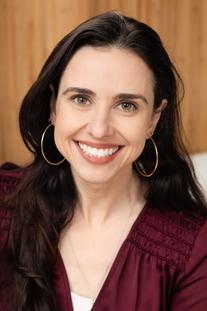
Kendra Thomas
Kendra Thomas is an associate professor of psychology at Hope College, earning a Ph.D. from Ball State University. She has taught both undergraduate- and graduate-level human development to future nurses, teachers, and mental health professionals for 10 years. Originally from Londrina, Brazil, Thomas has long-standing research collaborations with the University of São Paulo and the Federal University of Paraná as well as a South African community development organization. Through a research-practice partnership, she and colleagues have expanded the research of hope, especially in contexts of adverse family circumstances and home-visitation interventions. She is passionate about using research as a tool for building sustainable community development initiatives.Thomas is an active researcher who has published in journals including Journal of Adolescence, Human Development, Applied Developmental Science, Journal of Youth and Adolescence, and International Journal of Behavior Development. She has also written about human development for TIME, Newsweek, Templeton Ideas, and Scientific American magazine.
She lives in Michigan with her husband, two children, and their old dog. Her hobbies include picking up random socks around the house and reading picture books at night.
Table of Contents
🔍 Discover What's Inside! 📖 Review a sample chapter: Chapter 1: The Science of Human Development from The Developing Person Through the Life Span, Thirteenth Edition.
Chapter 1 The Science of Human Development
1.1 Thinking Like a Developmentalist
1.2 Doing Science
Chapter 2 Theories
2.1 Theories of Development
2.2 What Theories Contribute
Chapter 3 The New Genetics
3.1 The Genetic Code
3.2 New Cells, New People
3.3 From Genotype to Phenotype
3.4 Chromosomal and Genetic Conditions
Chapter 4 Prenatal Development and Birth
4.1 Prenatal Development
4.2 Birth
4.3 Risks and Protections
4.4 The New Family
PART 2 The First Two Years
Chapter 5 The First Two Years: Biosocial Development
5.1 Body Changes
5.2 Perceiving and Moving
5.3 Surviving in Good Health
Chapter 6 The First Two Years: Cognitive Development
6.1 Quick Learners
6.2 Active Learners
6.3 Social Learners
Chapter 7 The First Two Years: Psychosocial Development
7.1 Emotional Development in Context
7.2 Social Bonds
7.3 Who Cares for Baby?
PART 3 Early Childhood
Chapter 8 Early Childhood: Biosocial Development
8.1 Body Changes
8.2 Brain Growth
8.3 Avoidable Injury
8.4 Child Maltreatment
Chapter 9 Early Childhood: Cognitive Development
9.1 Thinking During Early Childhood
9.2 Constructed Cognition
9.3 Language Learning
9.4 Early-Childhood Schooling
Chapter 10 Early Childhood: Psychosocial Development
10.1 Emotional Development
10.2 Play
10.3 Challenges for Caregivers
10.4 Becoming Boys and Girls: Sex and Gender
PART 4 Middle Childhood
Chapter 11 Middle Childhood: Biosocial Development
11.1 A Healthy Time
11.2 Brain Development
11.3 Children with Distinct Educational Needs
Chapter 12 Middle Childhood: Cognitive Development
12.1 Thinking
12.2 Language
12.3 Teaching and Learning
Chapter 13 Middle Childhood: Psychosocial Development
13.1 The Nature of the Child
13.2 Families During Middle Childhood
13.3 Other Children
PART 5 Adolescence
Chapter 14 Adolescence: Biosocial Development
14.1 Puberty and Hormones
14.2 Growth and Nutrition
14.3 Sexual Maturation
Chapter 15 Adolescence: Cognitive Development
15.1 Cognition and the Brain
15.2 The Brain and Mental Health
15.3 Secondary Education
Chapter 16 Adolescence: Psychosocial Development
16.1 Identity
16.2 Close Relationships
16.3 Anxiety, Depression, and Aggression
PART 6 Emerging Adulthood
Chapter 17 Emerging Adulthood: Biosocial Development
17.1 Biological Universals
17.2 Health and Sickness
17.3 Risk-Taking
Chapter 18 Emerging Adulthood: Cognitive Development
18.1 Stages and Ages
18.2 Ethics and Religion
18.3 Higher Education
Chapter 19 Emerging Adulthood: Psychosocial Development
19.1 Identity Ongoing
19.2 Social Connections
19.3 Romantic Partnership
PART 7 Adulthood
Chapter 20 Adulthood: Biosocial Development
20.1 Growing Older
20.2 Body Systems
20.3 Habits: Good and Bad
Chapter 21 Adulthood: Cognitive Development
21.1 Adult Intelligence
21.2 Cognitive Hazards
21.3 Choices in Thinking
Chapter 22 Adulthood: Psychosocial Development
22.1 Personality Development in Adulthood
22.2 Intimacy: Connecting with Others
22.3 Generativity: The Work of Adulthood
PART 8 Late Adulthood
Chapter 23 Late Adulthood: Biosocial Development
23.1 Demography and Prejudice
23.2 Systems and Choices
23.3 Theories of Aging
Chapter 24 Late Adulthood: Cognitive Development
24.1 Cognitive Processing in Adulthood
24.2 Neurocognitive Disorders
24.3 Cognitive Gains
Chapter 25 Late Adulthood: Psychosocial Development
25.1 Theories of Late Adulthood
25.2 Activity in Late Adulthood
25.3 Home and Care
Epilogue: Death, Dying, and Affirmation of Life
EP.1 Living with Death
EP.2 A Good Death
EP.3 Grief and Hope
Appendix: More About Research Methods
Glossary
References
Product Updates
Summer 2026
The Summer 2026 update introduces new AI-powered learning tools that help students build understanding through guided practice and personalized feedback. With Guided Reading and Guided Quiz Review, instructors can provide more interactive learning experiences while supporting student success within their existing course workflow.
- Guided Reading: Transforms textbook reading into an assignable interactive learning experience. Students explain concepts in their own words and receive personalized, real-time feedback. By turning reading into a guided conversation, it builds deeper understanding and engagement without adding any instructor workload.
- Guided Quiz Review: In the current Multi-Take Quiz setting, this new AI-powered tool helps students master concepts. It reduces guessing and gives personalized formative feedback between quiz attempts. By guiding students through their learning journey, it strengthens understanding and improves performance—without adding extra work for instructors.
Thirteenth Edition Update
- A new framework for critical thinking. In the new edition, the authors introduce “Thinking Like a Developmentalist,” five principles of human development interleaved throughout the book, providing a practical, scaffolded way to encourage disciplinary thinking in the life-span course and application of developmental science in other contexts. Students will learn to think like a developmentalist whether they are learning about attachment, language acquisition, the adolescent brain, sexuality, or aging. They will leave the course with portable critical-thinking mantras, understanding that sensitivities vary, combinations differ, risks and protections interact, effects lag and cascade, and context matters.
- Reimagined presentation of the major theories. Chapter 2 is completely rewritten. Instead of dividing theories into “grand” and “newer,” the thirteenth edition presents the major perspectives of developmental science — psychodynamic, behavioral, cognitive, sociocultural, and evolutionary — as part of a dynamic, ongoing conversation. Students are encouraged to take an eclectic, flexible approach to theory, avoiding rigid categories and seeing how multiple perspectives complement each other. This approach reflects current thinking, helping students build an authentic, usable understanding of the field.
- Advances in science. Reflecting careful reading of thousands of articles and feedback from a panel of expert advisors, this 13th edition presents new research and discussions on a range of topics: RNA and epigenetics, language learning, siblings, adolescent brains and mental health, spiritual and moral development, thriving romantic partnerships, cognitive improvements in late adulthood, and the neuroscience of aging.
- An authentic global perspective. Instead of comparing and contrasting cultures (such as having separate sections on “cultural development”), this text infuses cultural variation within each topic so that the principles are broadly applicable and showcase how developmental science is built on a global perspective. Contextual differences are not positioned as cultural curiosities or exceptions but as diverse expressions of humanity. A stronger global emphasis is seen in the narrative, citations, data, and chapter visuals, which also showcase the diversity of people and experiences across the United States.
- New Skills for Success Activities. Offered in Achieve, these activities increase student preparedness, boost student success and retention, and save you precious class time. Topics include How to Read a Syllabus, Time Management, Note-taking , How to Use AI Responsibly, APA Style, and How to Read a Scholarly Article.
Authors
-
Kathleen Berger
Kathleen Stassen Berger transferred from Stanford University to Radcliffe, earning a B.A. and M.A.T. from Harvard University, and then an M.S. and Ph.D. from Yeshiva University, all while teaching adolescents. Her broad experience as a learner and educator includes directing a preschool, chairing philosophy at the United Nations International School, and teaching human development to graduate students at Fordham University, undergraduates at Montclair State University, aspiring professionals at Quinnipiac University in Connecticut, and incarcerated individuals at Sing Sing Prison. For most of her professional career, Berger has been a professor at Bronx Community College of the City University of New York.
Berger is also the author of Invitation to the Life Span, The Developing Person Through Childhood and Adolescence, and A Topical Approach to the Developing Person Through the Life Span, as well as Grandmothering: Building Strong Ties with Every Generation. Berger’s research interests include adolescent identity, immigration, bullying, and grandparents, and she has published articles in the Wiley Encyclopedia of Psychology, Developmental Review , and Human Development, and in publications of the American Association for Higher Education and the National Education Association for Higher Education. She continues teaching and learning, not only from students and friends but also from four daughters and three grandsons.
-
Kendra Thomas
Kendra Thomas is an associate professor of psychology at Hope College, earning a Ph.D. from Ball State University. She has taught both undergraduate- and graduate-level human development to future nurses, teachers, and mental health professionals for 10 years. Originally from Londrina, Brazil, Thomas has long-standing research collaborations with the University of São Paulo and the Federal University of Paraná as well as a South African community development organization. Through a research-practice partnership, she and colleagues have expanded the research of hope, especially in contexts of adverse family circumstances and home-visitation interventions. She is passionate about using research as a tool for building sustainable community development initiatives.Thomas is an active researcher who has published in journals including Journal of Adolescence, Human Development, Applied Developmental Science, Journal of Youth and Adolescence, and International Journal of Behavior Development. She has also written about human development for TIME, Newsweek, Templeton Ideas, and Scientific American magazine.
She lives in Michigan with her husband, two children, and their old dog. Her hobbies include picking up random socks around the house and reading picture books at night.
Table of Contents
🔍 Discover What's Inside! 📖 Review a sample chapter: Chapter 1: The Science of Human Development from The Developing Person Through the Life Span, Thirteenth Edition.
Chapter 1 The Science of Human Development
1.1 Thinking Like a Developmentalist
1.2 Doing Science
Chapter 2 Theories
2.1 Theories of Development
2.2 What Theories Contribute
Chapter 3 The New Genetics
3.1 The Genetic Code
3.2 New Cells, New People
3.3 From Genotype to Phenotype
3.4 Chromosomal and Genetic Conditions
Chapter 4 Prenatal Development and Birth
4.1 Prenatal Development
4.2 Birth
4.3 Risks and Protections
4.4 The New Family
PART 2 The First Two Years
Chapter 5 The First Two Years: Biosocial Development
5.1 Body Changes
5.2 Perceiving and Moving
5.3 Surviving in Good Health
Chapter 6 The First Two Years: Cognitive Development
6.1 Quick Learners
6.2 Active Learners
6.3 Social Learners
Chapter 7 The First Two Years: Psychosocial Development
7.1 Emotional Development in Context
7.2 Social Bonds
7.3 Who Cares for Baby?
PART 3 Early Childhood
Chapter 8 Early Childhood: Biosocial Development
8.1 Body Changes
8.2 Brain Growth
8.3 Avoidable Injury
8.4 Child Maltreatment
Chapter 9 Early Childhood: Cognitive Development
9.1 Thinking During Early Childhood
9.2 Constructed Cognition
9.3 Language Learning
9.4 Early-Childhood Schooling
Chapter 10 Early Childhood: Psychosocial Development
10.1 Emotional Development
10.2 Play
10.3 Challenges for Caregivers
10.4 Becoming Boys and Girls: Sex and Gender
PART 4 Middle Childhood
Chapter 11 Middle Childhood: Biosocial Development
11.1 A Healthy Time
11.2 Brain Development
11.3 Children with Distinct Educational Needs
Chapter 12 Middle Childhood: Cognitive Development
12.1 Thinking
12.2 Language
12.3 Teaching and Learning
Chapter 13 Middle Childhood: Psychosocial Development
13.1 The Nature of the Child
13.2 Families During Middle Childhood
13.3 Other Children
PART 5 Adolescence
Chapter 14 Adolescence: Biosocial Development
14.1 Puberty and Hormones
14.2 Growth and Nutrition
14.3 Sexual Maturation
Chapter 15 Adolescence: Cognitive Development
15.1 Cognition and the Brain
15.2 The Brain and Mental Health
15.3 Secondary Education
Chapter 16 Adolescence: Psychosocial Development
16.1 Identity
16.2 Close Relationships
16.3 Anxiety, Depression, and Aggression
PART 6 Emerging Adulthood
Chapter 17 Emerging Adulthood: Biosocial Development
17.1 Biological Universals
17.2 Health and Sickness
17.3 Risk-Taking
Chapter 18 Emerging Adulthood: Cognitive Development
18.1 Stages and Ages
18.2 Ethics and Religion
18.3 Higher Education
Chapter 19 Emerging Adulthood: Psychosocial Development
19.1 Identity Ongoing
19.2 Social Connections
19.3 Romantic Partnership
PART 7 Adulthood
Chapter 20 Adulthood: Biosocial Development
20.1 Growing Older
20.2 Body Systems
20.3 Habits: Good and Bad
Chapter 21 Adulthood: Cognitive Development
21.1 Adult Intelligence
21.2 Cognitive Hazards
21.3 Choices in Thinking
Chapter 22 Adulthood: Psychosocial Development
22.1 Personality Development in Adulthood
22.2 Intimacy: Connecting with Others
22.3 Generativity: The Work of Adulthood
PART 8 Late Adulthood
Chapter 23 Late Adulthood: Biosocial Development
23.1 Demography and Prejudice
23.2 Systems and Choices
23.3 Theories of Aging
Chapter 24 Late Adulthood: Cognitive Development
24.1 Cognitive Processing in Adulthood
24.2 Neurocognitive Disorders
24.3 Cognitive Gains
Chapter 25 Late Adulthood: Psychosocial Development
25.1 Theories of Late Adulthood
25.2 Activity in Late Adulthood
25.3 Home and Care
Epilogue: Death, Dying, and Affirmation of Life
EP.1 Living with Death
EP.2 A Good Death
EP.3 Grief and Hope
Appendix: More About Research Methods
Glossary
References
Product Updates
Summer 2026
The Summer 2026 update introduces new AI-powered learning tools that help students build understanding through guided practice and personalized feedback. With Guided Reading and Guided Quiz Review, instructors can provide more interactive learning experiences while supporting student success within their existing course workflow.
- Guided Reading: Transforms textbook reading into an assignable interactive learning experience. Students explain concepts in their own words and receive personalized, real-time feedback. By turning reading into a guided conversation, it builds deeper understanding and engagement without adding any instructor workload.
- Guided Quiz Review: In the current Multi-Take Quiz setting, this new AI-powered tool helps students master concepts. It reduces guessing and gives personalized formative feedback between quiz attempts. By guiding students through their learning journey, it strengthens understanding and improves performance—without adding extra work for instructors.
Thirteenth Edition Update
- A new framework for critical thinking. In the new edition, the authors introduce “Thinking Like a Developmentalist,” five principles of human development interleaved throughout the book, providing a practical, scaffolded way to encourage disciplinary thinking in the life-span course and application of developmental science in other contexts. Students will learn to think like a developmentalist whether they are learning about attachment, language acquisition, the adolescent brain, sexuality, or aging. They will leave the course with portable critical-thinking mantras, understanding that sensitivities vary, combinations differ, risks and protections interact, effects lag and cascade, and context matters.
- Reimagined presentation of the major theories. Chapter 2 is completely rewritten. Instead of dividing theories into “grand” and “newer,” the thirteenth edition presents the major perspectives of developmental science — psychodynamic, behavioral, cognitive, sociocultural, and evolutionary — as part of a dynamic, ongoing conversation. Students are encouraged to take an eclectic, flexible approach to theory, avoiding rigid categories and seeing how multiple perspectives complement each other. This approach reflects current thinking, helping students build an authentic, usable understanding of the field.
- Advances in science. Reflecting careful reading of thousands of articles and feedback from a panel of expert advisors, this 13th edition presents new research and discussions on a range of topics: RNA and epigenetics, language learning, siblings, adolescent brains and mental health, spiritual and moral development, thriving romantic partnerships, cognitive improvements in late adulthood, and the neuroscience of aging.
- An authentic global perspective. Instead of comparing and contrasting cultures (such as having separate sections on “cultural development”), this text infuses cultural variation within each topic so that the principles are broadly applicable and showcase how developmental science is built on a global perspective. Contextual differences are not positioned as cultural curiosities or exceptions but as diverse expressions of humanity. A stronger global emphasis is seen in the narrative, citations, data, and chapter visuals, which also showcase the diversity of people and experiences across the United States.
- New Skills for Success Activities. Offered in Achieve, these activities increase student preparedness, boost student success and retention, and save you precious class time. Topics include How to Read a Syllabus, Time Management, Note-taking , How to Use AI Responsibly, APA Style, and How to Read a Scholarly Article.
Teach students to think like a developmentalist.
The Developing Person Through the Life Span presents human development through a combination of storytelling, science, and a scaffolding learning approach. Kathleen Stassen Berger and new co-author Kendra Thomas engage students with an accessible narrative while introducing a new critical thinking framework that encourages them to think like a developmentalist and apply developmental science principles to real-world scenarios across the lifespan.
Drawing on personal stories, engaging case studies, and insights from thousands of research articles and datasets, the text helps students connect developmental science to everyday experiences and build a deeper understanding of human development.
Extend the learning experience with Achieve's integrated activities, assessments, and study tools for psychology.
Achieve – Learn Psychology. Build Skills for Life.
We’re reimagining how psychology is taught and learned—focusing on the skills students need to succeed. Achieve combines engaging content with AI-powered tools to help students apply psychological concepts, and build habits that last beyond the course.
New in Achieve
- Foundational Skills Modules - (AI ethics, AI basics, note-taking, time management, using APA style and reading research)
- Data Literacy Activities - (visual data, ethics, methods, statistics)
- AI-Enabled Guided Reading - makes reading truly assignable
- AI-Enabled Guided Quiz Review - builds in practice between attempts
- Short-Form Writing Tool with rubric-aligned prompts and auto-scoring feedback
- Developing Lives 2.1: Interactive Parenting Simulation: Students raise a virtual child from pregnancy through adolescence, making critical lifestyle and parenting choices that shape development.
Each activity is designed to build skills, increase engagement, and support student success.
Success Stories
Here are a few examples of how Achieve has helped instructors like you improve student preparedness, enhance their sense of belonging, and achieve course goals they set for themselves.
Prof. Kiandra Johnson, Spelman College
See how the resources in Achieve help you engage students before, during, and after class.
Prof. Jennifer Duncan
Use diagnostics in Achieve for a snapshot into cognitive and non-cognitive factors that may impact your students’ preparedness.
Prof. Ryan Elsenpeter
Here’s why educators who use Achieve would recommend it to their peers.


Instructor Resources
Instructor Resources
Access Test Bank
You need to sign in as a verified instructor to access the Test Bank.

Test Bank for The Developing Person Through the Life Span
Kathleen Stassen Berger; Kendra Thomas | Thirteenth Edition | ©2026 | ISBN:9781319586461
Download Resources
You need to sign in to unlock your resources.

Clicker Slides
Instructor's Resource Manual & Chapter Guides All Chapters (.zip)
Image Slides
Instructor Resource Manual
Lecture Slides
NAEYC Standards (.pdf)
NCLEX Standards (.pdf)
You've selected:
Click the E-mail Download Link button and we'll send you an e-mail at with links to download your instructor resources. You will also be able to download your resources anytime from within your account once ready. Please note there may be a delay in delivering your e-mail depending on the size of the files.
Warning! These materials are owned by Macmillan Learning or its licensors and are protected by copyright laws in the United States and other jurisdictions. Such materials may include a digital watermark that is linked to your name and email address in your Macmillan Learning account to identify the source of any materials used in an unauthorised way and prevent online piracy. These materials are being provided solely for instructional use by instructors who have adopted Macmillan Learning’s accompanying textbooks or online products for use by students in their courses. These materials may not be copied, distributed, sold, shared, posted online, or used, in print or electronic format, except in the limited circumstances set forth in the Macmillan Learning Terms of Use and any other reproduction or distribution is illegal. These materials may not be made publicly available under any circumstances. All other rights reserved. For more information about the use of your personal data including for the purposes of anti-piracy enforcement, please refer to Macmillan Learning's.Privacy Notice
Thank you!
Your download request has been received and your download link will be sent to .
Please note you could wait up to 30 to 60 minutes to receive your download e-mail depending on the number and size of the files. You will also be able to download your resources anytime from within your account once ready. We appreciate your patience while we process your request.
Check your inbox, trash, and spam folders for an e-mail from InstructorResources@macmillan.com.
If you do not receive your e-mail, please visit macmillanlearning.com/support.
FAQs
-
-
Are you a campus bookstore looking for ordering information?
MPS Order Search Tool (MOST) is a web-based purchase order tracking program that allows customers to view and track their purchases. No registration or special codes needed! Just enter your BILL-TO ACCT # and your ZIP CODE to track orders.
Canadian Stores: Please use only the first five digits/letters in your zip code on MOST.
Visit MOST, our online ordering system for booksellers: https://tracking.mpsvirginia.com/Login.aspx
Learn more about our Bookstore programs here: https://www.macmillanlearning.com/college/us/contact-us/booksellers
-
-
-
Our courses currently integrate with Canvas, Blackboard (Learn and Ultra), Brightspace, D2L, and Moodle. Click on the support documentation below to find out more details about the integration with each LMS.
Integrate Macmillan courses with Blackboard
Integrate Macmillan courses with Canvas
-
-
-
If you’re a verified instructor, you can request a free sample of our courseware, e-book, or print textbook to consider for use in your courses. Only registered and verified instructors can receive free print and digital samples, and they should not be sold to bookstores or book resellers. If you don't yet have an existing account with Macmillan Learning, it can take up to two business days to verify your status as an instructor. You can request a free sample from the right side of this product page by clicking on the "Request Instructor Sample" button or by contacting your rep. Learn more.
-
-
-
Sometimes also referred to as a spiral-bound or binder-ready textbook, loose-leaf textbooks are available to purchase. This three-hole punched, unbound version of the book costs less than a hardcover or paperback book.
-
-
-
Achieve (full course) includes our complete e-book, as well as online quizzing tools, multimedia assets, and iClicker active classroom manager.
Most Achieve Essentials courses do not include our e-books and adaptive quizzing.
Visit our comparison table for details: https://www.macmillanlearning.com/college/us/digital/achieve/compare
-
-
-
Achieve (full course) includes our complete e-book, as well as online quizzing tools, multimedia assets, and iClicker active classroom manager.
Achieve Read & Practice only includes our e-book and adaptive quizzing, and does not include instructor resources and assignable assessments. Read & Practice does integrate with LMS.
Visit our comparison table for details: https://www.macmillanlearning.com/college/us/digital/achieve/compare
-
-
-
We can help! Contact your representative to discuss your specific needs for your course. If our off-the-shelf course materials don’t quite hit the mark, we also offer custom solutions made to fit your needs.
-
ISBN:9781319586683
Access all your course tools in one place!
ISBN:9781319586621
Come to class prepared with quizzing and an e-book.
ISBN:9781319586485
Take notes, add highlights, and download our mobile-friendly e-books.
ISBN:9781319586447
Save money with our hole-punched, loose-leaf textbook.
ISBN:9781319618278
This package includes Loose-Leaf and Read & Practice.
ISBN:9781319618209
This package includes Achieve and Loose-Leaf.
FAQs
-
-
Are you a campus bookstore looking for ordering information?
MPS Order Search Tool (MOST) is a web-based purchase order tracking program that allows customers to view and track their purchases. No registration or special codes needed! Just enter your BILL-TO ACCT # and your ZIP CODE to track orders.
Canadian Stores: Please use only the first five digits/letters in your zip code on MOST.
Visit MOST, our online ordering system for booksellers: https://tracking.mpsvirginia.com/Login.aspx
Learn more about our Bookstore programs here: https://www.macmillanlearning.com/college/us/contact-us/booksellers
-
-
-
Our courses currently integrate with Canvas, Blackboard (Learn and Ultra), Brightspace, D2L, and Moodle. Click on the support documentation below to find out more details about the integration with each LMS.
Integrate Macmillan courses with Blackboard
Integrate Macmillan courses with Canvas
-
-
-
If you’re a verified instructor, you can request a free sample of our courseware, e-book, or print textbook to consider for use in your courses. Only registered and verified instructors can receive free print and digital samples, and they should not be sold to bookstores or book resellers. If you don't yet have an existing account with Macmillan Learning, it can take up to two business days to verify your status as an instructor. You can request a free sample from the right side of this product page by clicking on the "Request Instructor Sample" button or by contacting your rep. Learn more.
-
-
-
Sometimes also referred to as a spiral-bound or binder-ready textbook, loose-leaf textbooks are available to purchase. This three-hole punched, unbound version of the book costs less than a hardcover or paperback book.
-
-
-
Achieve (full course) includes our complete e-book, as well as online quizzing tools, multimedia assets, and iClicker active classroom manager.
Most Achieve Essentials courses do not include our e-books and adaptive quizzing.
Visit our comparison table for details: https://www.macmillanlearning.com/college/us/digital/achieve/compare
-
-
-
Achieve (full course) includes our complete e-book, as well as online quizzing tools, multimedia assets, and iClicker active classroom manager.
Achieve Read & Practice only includes our e-book and adaptive quizzing, and does not include instructor resources and assignable assessments. Read & Practice does integrate with LMS.
Visit our comparison table for details: https://www.macmillanlearning.com/college/us/digital/achieve/compare
-
-
-
We can help! Contact your representative to discuss your specific needs for your course. If our off-the-shelf course materials don’t quite hit the mark, we also offer custom solutions made to fit your needs.
-
Related Titles
The Developing Person Through the Life Span
The Developing Person Through the Life Span presents human development through a combination of storytelling, science, and a scaffolding learning approach. Kathleen Stassen Berger and new co-author Kendra Thomas engage students with an accessible narrative while introducing a new critical thinking framework that encourages them to think like a developmentalist and apply developmental science principles to real-world scenarios across the lifespan.
Drawing on personal stories, engaging case studies, and insights from thousands of research articles and datasets, the text helps students connect developmental science to everyday experiences and build a deeper understanding of human development.
Extend the learning experience with Achieve's integrated activities, assessments, and study tools for psychology.
Achieve – Learn Psychology. Build Skills for Life.
We’re reimagining how psychology is taught and learned—focusing on the skills students need to succeed. Achieve combines engaging content with AI-powered tools to help students apply psychological concepts, and build habits that last beyond the course.
New in Achieve
- Foundational Skills Modules - (AI ethics, AI basics, note-taking, time management, using APA style and reading research)
- Data Literacy Activities - (visual data, ethics, methods, statistics)
- AI-Enabled Guided Reading - makes reading truly assignable
- AI-Enabled Guided Quiz Review - builds in practice between attempts
- Short-Form Writing Tool with rubric-aligned prompts and auto-scoring feedback
- Developing Lives 2.1: Interactive Parenting Simulation: Students raise a virtual child from pregnancy through adolescence, making critical lifestyle and parenting choices that shape development.
Each activity is designed to build skills, increase engagement, and support student success.
Select a demo to view:
 Sample Achieve